Top 10 Inventory Management Systems in Malaysia: A Comprehensive Guide for SMEs
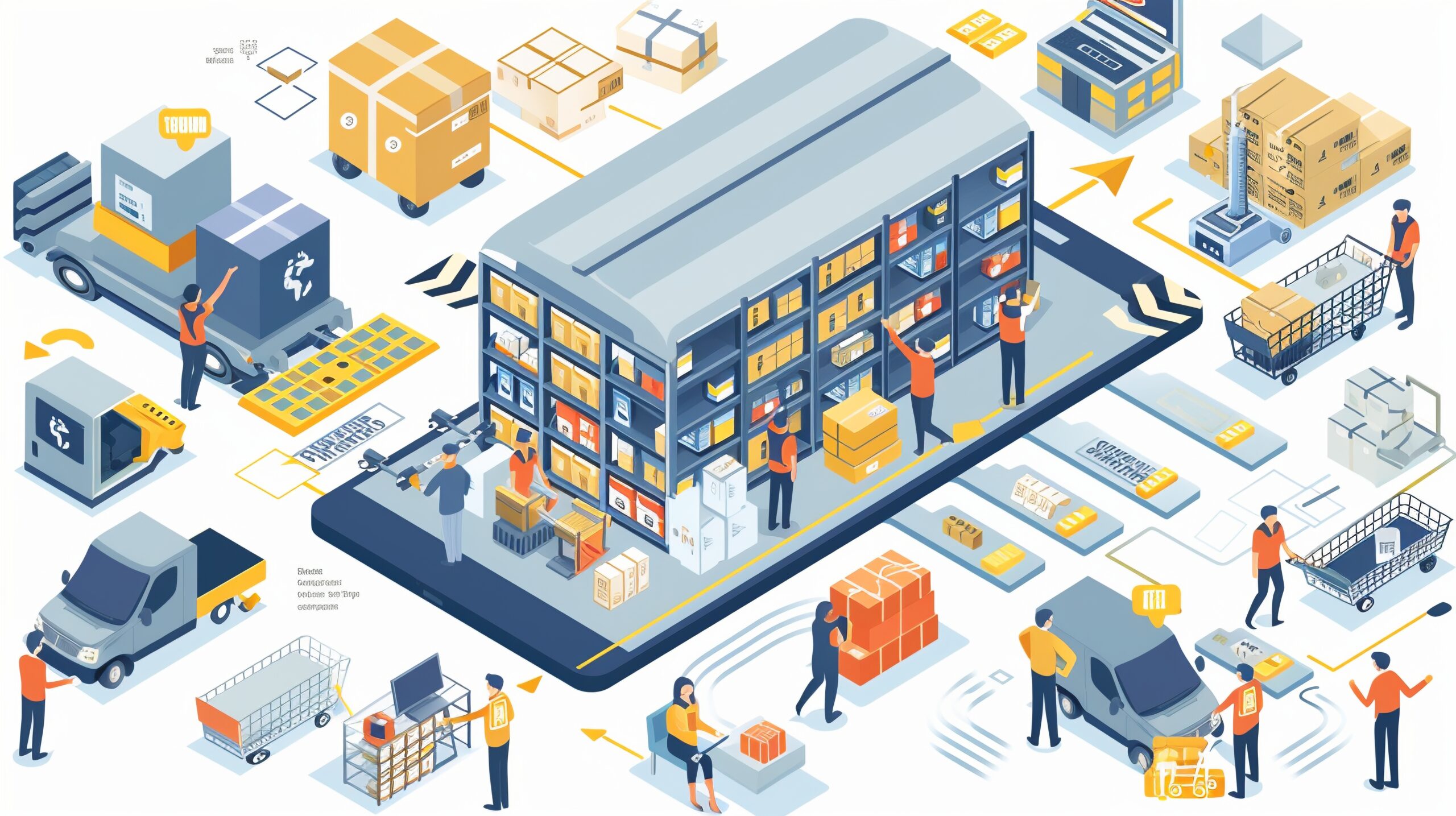
Choosing the right inventory system in Malaysia can make or break your SME’s operational efficiency. With countless options flooding the market, business owners often struggle to identify which stock management system Malaysia truly needs to handle local compliance requirements while scaling their warehouse operations effectively.
Why Malaysian SMEs Need Specialised Inventory Systems
Malaysian businesses face unique challenges that generic inventory solutions often fail to address. From SST compliance requirements to multi-currency trading scenarios, local SMEs need systems that understand the Malaysian regulatory landscape while providing robust stock control capabilities.
Over 70% of Malaysian SMEs still rely on manual inventory tracking methods, leading to stock discrepancies that cost businesses an average of 15-20% in lost revenue annually.
The right inventory system in Malaysia must seamlessly integrate with local banking systems, support MYR transactions, and provide real-time visibility across multiple warehouse locations whether you’re operating from Klang Valley, Penang, or Johor Bahru.
Top 10 Inventory Management Systems for Malaysian Businesses
- SMURPS Integrated Platform
A comprehensive modular digital business platform that integrates inventory management software with ERP, analytics, AI, and mobile capabilities. SMURPS offers real-time stock tracking, automated reorder points, and compliance requirements including e-Invoicing and SST reporting.
Best for: Growing SMEs that want inventory connected to the rest of their operations.
- SQL Account
Popular among Malaysian SMEs for its local market focus and multi-currency support. Strong integration with local banks and comprehensive reporting features tailored for Malaysian tax requirements.
Best for: Small trading businesses with straightforward inventory requirements.
- AutoCount
Well-established accounting software with robust inventory modules. Particularly strong in manufacturing environments with bill of materials tracking and production planning capabilities.
Best for: Light manufacturing SMEs already using AutoCount for accounting.
- Oracle NetSuite
Enterprise-grade solution suitable for larger SMEs with complex multi-location inventory requirements. Offers advanced analytics and AI-driven demand forecasting.
Best for: Large enterprises with complex global inventory requirements.
- SAP Business One
Comprehensive ERP solution with powerful inventory management features. Best suited for manufacturing companies with complex supply chain requirements.
Best for: Mid-to-large manufacturers with complex supply chain needs.
- Zoho Inventory
Cloud-based solution with strong e-commerce integration capabilities. Particularly effective for trading and distribution businesses managing online and offline sales channels.
Best for: E-commerce businesses with straightforward stock structures.
- QuickBooks Commerce
Focuses on wholesale and distribution businesses with multi-channel selling requirements. Strong integration with popular e-commerce platforms.
Best for: Businesses already using the QuickBooks ecosystem.
- Cin7
Omnichannel inventory solution that connects inventory across multiple sales channels. Suitable for businesses with both online and retail presence.
Best for: Retailers managing physical and online inventory in parallel.
- Odoo Inventory
Open-source ERP with strong inventory features like multi-warehouse tracking, real-time stock updates, and automated replenishment.
Best for: Teams with in-house technical capability who want a configurable platform.
- Fishbowl Inventory
Manufacturing-focused inventory system with advanced production planning features. Integrates well with QuickBooks for financial management.
Best for: Manufacturing businesses in the QuickBooks ecosystem.
How to Match the Right System to Your Business
The best inventory system isn’t necessarily the most expensive or feature-rich option. It’s the one that aligns with your specific business model, scales with your growth, and integrates seamlessly with your existing operations. Consider your industry requirements, transaction volumes, and growth projections when making your selection. Manufacturing businesses need different capabilities than pure trading companies, while service-based SMEs require lighter inventory management with stronger analytics integration.Why Local Compliance Matters More for Malaysian SMEs
Malaysian businesses operate under SST, and the e-Invoicing rollout continues to bring more SMEs into scope. A platform that handles these requirements natively saves significant time at the end of each reporting period.
Systems built for other markets often require data exports, manual reformatting, and additional steps to produce compliant documents. A locally built inventory management system in Malaysia, like SMURPS Inventory Management module, handles this as part of normal operations. Local implementation support also means faster onboarding and troubleshooting when it matters.
Conclusion
Selecting the right inventory system is crucial for Malaysian SME success in today’s competitive marketplace. While standalone solutions serve specific needs, businesses increasingly benefit from integrated platforms that connect inventory management with broader business operations. An integrated approach ensures your inventory system works harmoniously with financial management, customer relationship management, and business analytics, providing the comprehensive visibility modern businesses need to thrive.
Ready to Digitise Your Business?
Don’t let inventory challenges hold back your business growth. SMURPS offers a modular digital business platform that seamlessly integrates inventory management with ERP, analytics, AI, mobile capabilities, and automation, all designed specifically for Malaysian SMEs.
📩 Reach us at hello@smurps.com or visit smurps.com to book a free demo.
➡️Read our top-10 comparison guide on cloud invoice systems here.