Top 10 Cloud-Based Invoice Software Solutions for Accounting in Malaysia 2026
Why Cloud Invoicing Has Become Non-Negotiable for Malaysian Businesses
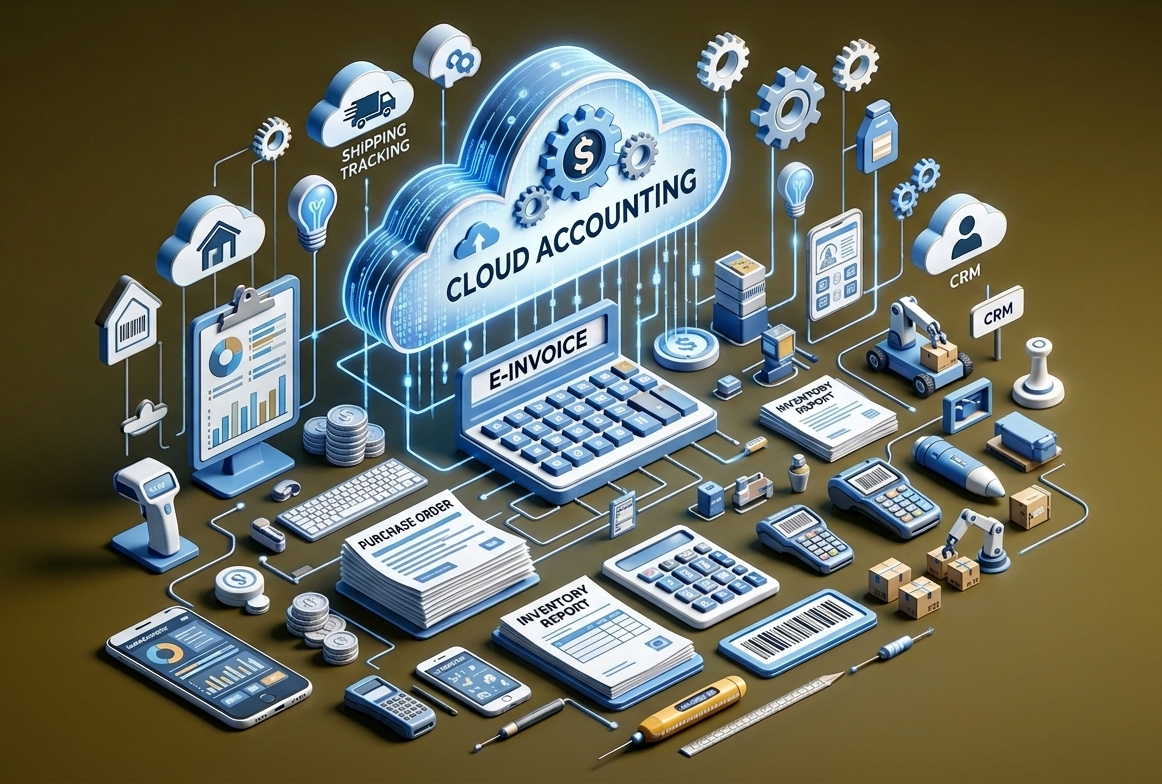
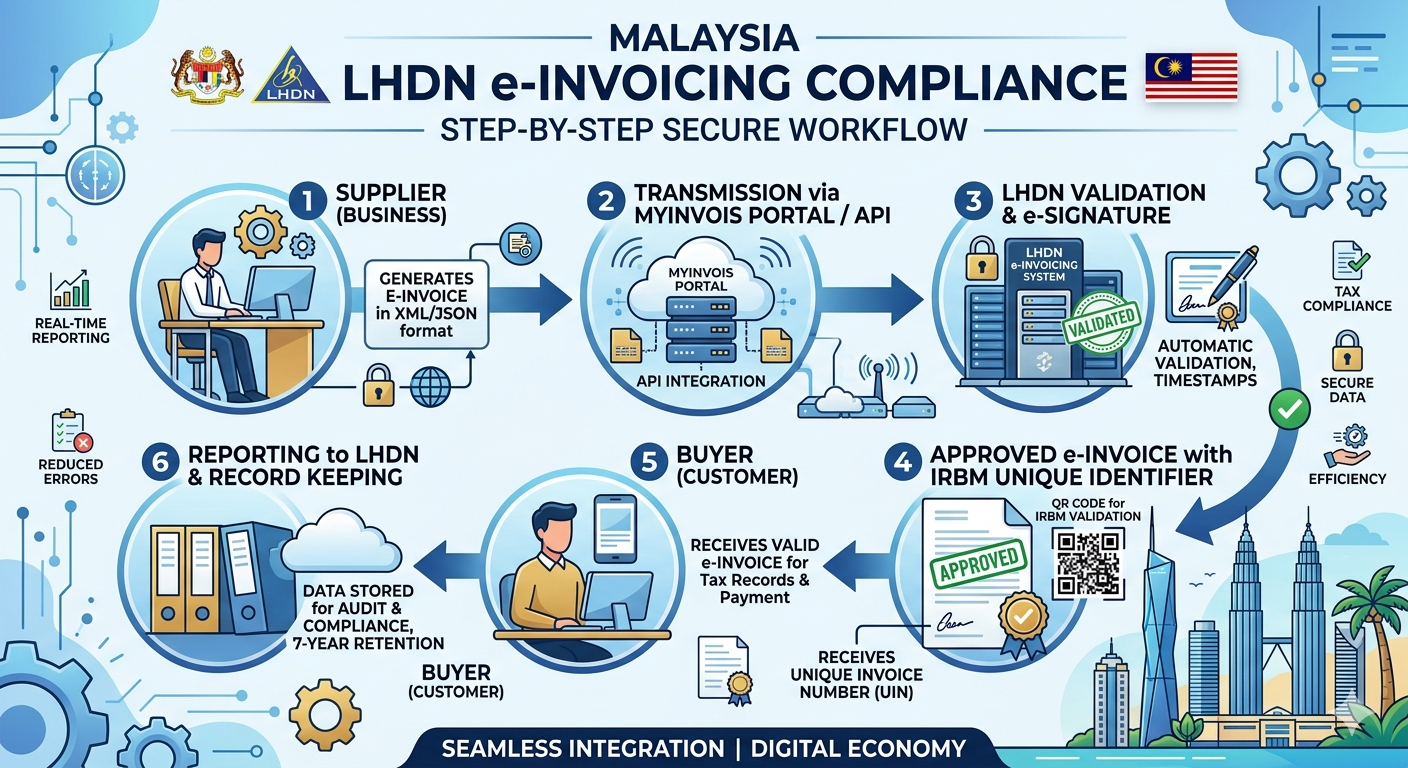
Malaysian businesses are navigating a major compliance shift. Since August 2024, LHDN has been rolling out mandatory e-invoicing in phases — covering all businesses, including SMEs, by 2026. The right cloud invoice platform automates MyInvois submission, eliminates manual data entry, and keeps every transaction audit-ready.
Here are the top 10 cloud-based invoice software solutions trusted by Malaysian businesses in 2026.
1. SMURPS
Deployment: Cloud
SMURPS is a Malaysian-built ERP platform designed for SMEs across Southeast Asia. Unlike standalone invoicing tools, it embeds invoicing within a full suite of modules — finance, procurement, inventory, and manufacturing — so invoices are generated automatically from upstream transactions.
Best for: SMEs that want invoicing, finance, and operations in one platform.
2. SQL Account
Deployment: Cloud + Desktop (Hybrid)
SQL Account is tailored for Malaysian businesses, with built-in compliance for LHDN, SST, and e-Invoicing, eliminating the need for third-party tools. It offers flexible deployment options—on-premises, cloud, or hybrid—allowing companies to balance control and remote access. While it includes inventory capabilities, it’s primarily valued as a reliable accounting system with strong compliance features, supported by a broad local dealer network for training and assistance.
Best for: Compliance-focused business
3. AutoCount
Deployment: Cloud + Desktop (Hybrid)
AutoCount is a Malaysian-built system with built-in SST support and compliance with LHDN e-Invoicing requirements, making it well-suited for local businesses. It stands out for its strong inventory capabilities, often preferred by retail, wholesale, and trading companies needing detailed stock management across locations. Available in both desktop and cloud versions, it offers flexibility in data management and is supported by a wide network of local dealers for implementation and support.
Best for: Retail and distribution businesses
4. Xero
Deployment: Cloud
Xero is a cloud-based accounting platform popular among Malaysian businesses with international operations or those seeking a modern, app-based system. Since it isn’t built specifically for Malaysia, compliance with SST and LHDN e-Invoicing depends on third-party integrations. Its key strength lies in its wide range of integrations, allowing businesses to connect with various tools like payroll, inventory, and CRM systems, while automated bank feeds help simplify reconciliation.
Best for: Foreign-owned companies or regional offices operating in Malaysia that are already standardised on Xero globally.
5. Bukku
Deployment: Cloud
Bukku is a straightforward cloud accounting tool with a free plan that covers basic LHDN e-invoice submission. It is easy to pick up for businesses with simple invoicing needs. Invoices can be sent via email or WhatsApp, and eligible businesses may access government digitalisation matching grants to offset subscription costs.
Best for: Micro businesses or sole traders with simple, low-volume invoicing needs.
6. N3 AI Accounting (formerly QNE AI Cloud Accounting)
Deployment: Cloud
N3 AI Accounting (rebranded from QNE) is a cloud-based platform that supports LHDN compliance and promotes AI-driven insights as a differentiator. It covers standard accounting functions such as invoicing, bank reconciliation, and financial reporting, with added automation features to reduce manual work. The system also includes AI-based tools that help with data processing and generating insights from financial information, which gives you more visibility into cash flow and performance trends.
Best for: Accounting firms or bookkeepers managing client compliance work.
7. QuickBooks Online
Deployment: Cloud
QuickBooks Online is a cloud-based accounting solution suited for freelancers, consultants, and small service businesses in Malaysia. It offers a user-friendly interface with guided workflows that simplify invoicing, expense tracking, and basic reporting. While it lacks advanced inventory features, its mobile app makes it easy to manage tasks on the go. Compliance with SST and LHDN e-Invoicing relies on third-party integrations rather than built-in functionality.
Best for: Small businesses that value ease of use over deep local compliance automation.
8. JomeInvoice
Deployment: Cloud
JomeInvoice is not a full accounting system — it is an e-invoicing compliance layer that connects to your existing ERP, accounting, CRM, or e-commerce platform. It captures invoice data, converts it to LHDN-required format, and submits to MyInvois automatically. Auto-retry on failed submissions and full audit trails ensure nothing falls through the cracks.
Best for: Businesses needing a dedicated e-invoicing layer bolted onto an existing system.
9. Zoho Books
Deployment: Cloud
Zoho Books is a functional cloud accounting tool with a free plan for businesses with annual revenue under RM 3 million. Its value is largely dependent on using other Zoho products — as a standalone invoicing tool, it is not particularly differentiated. Malaysian-specific features are not its primary focus, and businesses outside the Zoho ecosystem will see limited benefit from its integrations.
Best for: Businesses already invested in the Zoho product suite.
10. Financio
Deployment: Cloud
Financio is a cloud accounting tool aimed at micro businesses and non-accountants. It covers the fundamentals — invoicing, SST, bank reconciliation, and LHDN e-invoicing. However, it lacks depth for businesses with more complex operational needs, and its feature development pace has been modest compared to newer platforms entering the market.
Best for: Micro businesses that need basic compliance-ready invoicing with minimal setup.
Quick Comparison at a Glance
Use the table below to compare your shortlist by deployment type, LHDN compliance status, and primary use case.
| Software | Deployment | Best For |
|---|---|---|
| SMURPS | Cloud | SMEs wanting an all-in-one ERP + invoicing platform |
| SQL Account | Cloud + Desktop | Businesses wanting hybrid deployment with local support |
| AutoCount | Cloud + Desktop | Retail and trading businesses with high invoice volume |
| Xero | Cloud | Growing SMEs needing global integrations |
| Bukku | Cloud | Startups and micro businesses — free plan available |
| N3 AI Accounting | Cloud | Accountants managing multiple client accounts |
| QuickBooks Online | Cloud | Businesses new to cloud accounting |
| JomeInvoice | Cloud (Middleware) | Businesses keeping their existing accounting system |
| Zoho Books | Cloud | Service businesses in the Zoho ecosystem |
| Financio | Cloud | Non-accountants needing a simple compliant solution |
How to Choose the Right Solution for Your Business
The right platform depends on your transaction volume, compliance requirements, and whether you need standalone invoicing or a fully integrated system. Key factors to evaluate:
- LHDN & MyInvois readiness — handles XML/JSON formats, credit notes, and self-billed invoices
- Deployment model — cloud-only for accessibility, hybrid for teams needing offline or on-premise control
- Integration depth — connects to your existing accounting, ERP, or e-commerce tools
- Local support — a team familiar with SST and Malaysian compliance requirements
Take the Complexity Out of Invoicing with SMURPS
For SMEs that want more than just an invoicing tool, SMURPS delivers a complete business management platform where invoicing, procurement, and finance work as one connected system. Automated invoice delivery and AI-powered Autonobots mean your billing runs in the background — while your team focuses on growth.
Visit smurps.com to see how SMURPS can transform invoicing and finance for your SME.