
How Much Does ERP Cost? ERP Pricing in Malaysia Explained
Getting a straight answer on ERP pricing can be surprisingly difficult. Most vendors avoid publishing price lists, and every quote comes with a long list of variables attached. For Malaysian SME owners evaluating whether ERP is right for their business, this uncertainty often stalls the decision-making process entirely.
Understanding how ERP systems in Malaysia are actually structured and priced goes a long way toward cutting through that confusion. This article breaks down exactly how ERP pricing works, what factors drive it, and how to evaluate the right solution for your business.
Key Takeaways
- ERP pricing in Malaysia typically runs RM100 to RM500 per user a month for cloud software, but the subscription is rarely the biggest cost. Implementation, data migration and training often add more, pushing total ownership to roughly 3% to 5% of annual revenue.
- The licence model shapes the bill more than the headline price: a one-time perpetual licence still carries 15% to 25% annual maintenance, while a SaaS subscription folds hosting, updates and support into one recurring fee. Over five years the totals often converge, so the deciding factor is cash flow and IT capacity, not sticker price.
- The cheapest system is seldom the lowest true cost. A platform without built-in LHDN e-Invoicing and SST support forces paid customisation later, so weigh local compliance and room to scale against price before committing.
Table of Contents
- How Does ERP Pricing Work?
- What ERP Typically Costs in Malaysia
- ERP Pricing Models: Perpetual Licence vs. SaaS Subscription
- Key Factors That Influence ERP Pricing
- How e-Invoicing Compliance Affects Your ERP Cost
- Non-Monetary Costs SMEs Often Miss
- SaaS vs. On-Premise: What Makes More Sense for Malaysian SMEs?
- Evaluating ERP Value, Not Just ERP Pricing
- ERP Pricing FAQ
How Much Does ERP Cost in Malaysia?
While there is no fixed price, it helps to know the ranges Malaysian SMEs usually encounter. Entry-level cloud ERP for SMEs often starts from a few hundred ringgit a month. For multi-user setups, per-user pricing generally falls between RM100 and RM500 per user per month, depending on the modules activated. As a global reference point, cloud ERP benchmarks range from around USD 35 to USD 400 or more per user per month.
Implementation is a separate and often larger cost than the subscription itself. Across ERP projects, the average works out to roughly USD 9,000 per user once implementation is included, and for a midsize company the total cost of owning an ERP tends to fall between 3% and 5% of annual revenue. The table below outlines the three stages most SMEs fall into.
| Business stage | Indicative software cost | Implementation / one-off | Best fit |
|---|---|---|---|
| Micro and very small SME | Entry cloud packages from a few hundred ringgit a month. Compliance-first bundles such as SMURPS Mini at RM2,899 one-time for two years, with core ERP modules included. | Minimal, often bundled with free onboarding. | Sole traders and micro firms moving off spreadsheets. |
| Small to mid SME | Roughly RM100 to RM500 per user per month, depending on the modules activated. Global cloud benchmarks sit around USD 35 to USD 80 per user per month. | From about USD 3,000 upward, depending on scope. | Trading, retail and F&B businesses scaling past accounting software. |
| Mid-market and complex operations | Premium suites reach USD 400 or more per user per month for tier-one platforms. | Significant. ERP projects average about USD 9,000 per user, and total ownership runs 3% to 5% of annual revenue for midsize firms. | Manufacturers and multi-warehouse distributors. |
How Does ERP Pricing Work?
There is no universal price tag for ERP software in Malaysia, and that is not just vendors being evasive. ERP systems are built to be configured around the specific needs of a business, which means the investment depends heavily on what you need, how many people will use it, and how complex your operations are. A five-person trading company has very different requirements from a 120-person manufacturer with multiple warehouses and production lines.
ERP vendors structure their pricing around a combination of factors: the licensing model chosen, the number of users on the system, which modules are activated, and how much setup and customisation the deployment requires. Understanding these variables gives you a far clearer lens through which to evaluate any vendor quote.
ERP Pricing Models: Perpetual Licence vs. SaaS Subscription
Most ERP vendors today offer one of two primary licensing structures, and the model you choose significantly shapes how your investment unfolds over time.
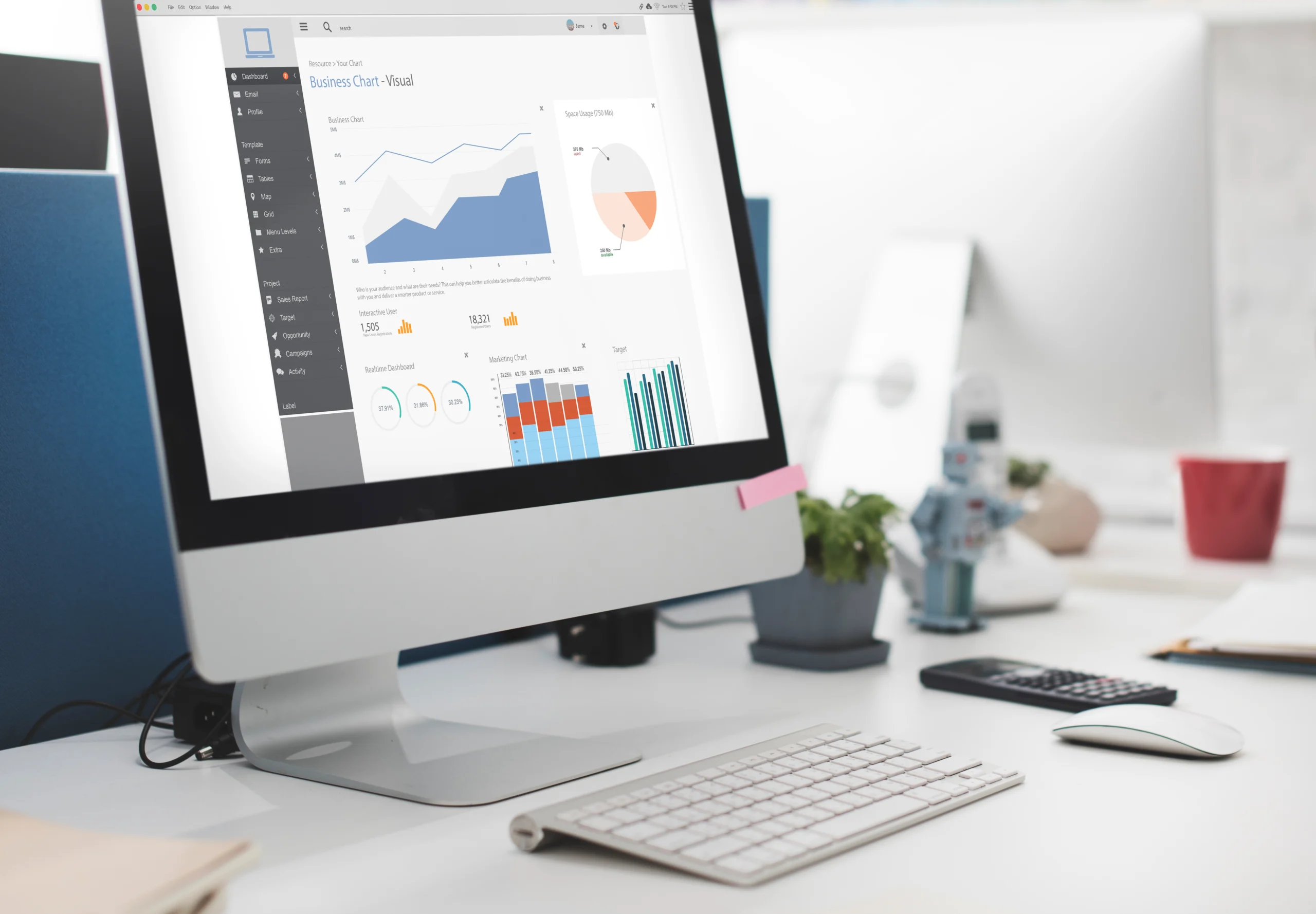
Perpetual licensing involves a one-time upfront payment for long-term software access. This model is most commonly associated with on-premise deployments. While it can offer long-term savings when the system is well-maintained, additional fees for vendor support, upgrades, and compliance patches are typically billed separately and can add up significantly. As a rule of thumb, annual maintenance commonly adds 15% to 25% of the licence cost each year.
Subscription-based (SaaS) licensing is increasingly the default for a modern ERP solution in Malaysia. Businesses pay a recurring fee that covers the software licence, cloud hosting, maintenance, and vendor support. This spreads investment over time, reduces the burden on internal IT teams, and ensures that compliance updates are handled automatically. For most Malaysian SMEs, SaaS offers the most predictable and accessible path to ERP adoption.
The key distinction between the two models is not which one is cheaper outright. It is which one better fits your business’s cash flow, IT capacity, and long-term growth trajectory. According to tech deployment research published by ERP Research, the long-term total cost of ownership between SaaS and perpetual setups often completely converges by year five. This standard industry timeline underlines why wise tech buyers treat software selection not as a race to find the lowest price tag, but as a strategic exercise in picking the operational framework that matches their team’s capabilities and growth pace.
Key Factors That Influence ERP Pricing
ERP pricing is influenced by many factors. Understanding them helps you evaluate vendor quotes accurately and avoid paying for capabilities your business does not yet need. Here are the most important factors to consider.-
Deployment type
On-premise systems require hardware, IT infrastructure, and dedicated support staff to keep them running. Cloud-based systems eliminate much of this overhead, making them far more practical for most SMEs.
-
Number of users
Most vendors price per named or concurrent user. Headcount directly drives licensing fees, so mapping your actual usage before requesting quotes helps avoid overpaying from day one.
-
Modules selected
Finance, inventory, HR, procurement, and manufacturing each carry their own pricing. Selecting only what your business genuinely needs today keeps the investment manageable and scope clear.
-
Customisation and integration
Out-of-the-box ERP rarely covers every workflow perfectly. Custom reports, approval chains, or connections to platforms such as LHDN’s MyInvois portal add development time and ongoing maintenance to your total investment.
-
Local compliance requirements
SST compliance, LHDN e-Invoicing, and PCB/MTD payroll are legal obligations for businesses in Malaysia, not optional extras. Platforms without built-in local compliance generate significant additional customisation work. -
Data migration
Moving years of historical records from spreadsheets or legacy software into a new system is almost always more time-intensive than anticipated, and is frequently one of the largest items in an implementation project. -
Training and support
Staff need to be productive from day one. Budget for both initial onboarding and ongoing support as your team grows and the system evolves.

How e-Invoicing Compliance Affects Your ERP Cost
Of all the factors above, local compliance is the one with a fixed deadline, which also makes it the easiest to plan for. Whether your business needs built-in e-Invoicing today directly affects how much customisation your ERP will require, so it is worth checking where you sit. LHDN’s eInvoicing mandate is rolling out in phases by annual turnover:
| Annual turnover or revenue band | Mandatory from |
|---|---|
| More than RM100 million | 1 August 2024 |
| More than RM25 million up to RM100 million | 1 January 2025 |
| More than RM5 million up to RM25 million | 1 July 2025 |
| Up to RM5 million | 1 January 2026 |
| Less than RM1 million | Currently exempt |
Businesses with annual turnover under RM1 million are currently exempt, and the up-to-RM5 million group came into scope on 1 January 2026. Where compliance applies, choosing a platform with built-in LHDN e-Invoicing, SST and PCB/MTD support avoids the additional customisation cost of adding compliance later.
Non-Monetary ERP Costs SMEs Often Miss
Beyond licensing and implementation fees, ERP deployments carry a range of indirect costs that frequently catch SME owners off guard. Accounting for these from the start gives you a far more accurate picture of what the transition will actually involve.
Time investment is substantial. Planning meetings, data preparation, staff training, and stakeholder decision-making during the rollout all pull key people away from their day-to-day work for weeks or sometimes months.
Change management is underestimated in almost every implementation. New ERP systems often require restructuring long-standing processes, and employee resistance to that change can temporarily reduce productivity during the transition period.
Operational disruptions during system cutover are nearly unavoidable. Even well-planned rollouts encounter friction. Businesses that build contingency plans, such as temporarily running old and new systems in parallel, manage the transition far more smoothly.
SaaS vs. On-Premise: What Makes More Sense for Malaysian SMEs?
For most Malaysian SMEs today, cloud SaaS is the practical choice. It eliminates server hardware requirements, reduces reliance on internal IT, and ensures that compliance updates for LHDN e-Invoicing and SST rule changes are applied automatically rather than requiring manual intervention.
On-premise ERP still makes sense for businesses with strict data residency requirements or highly customised production workflows. But when total ownership is assessed over a five-year horizon including infrastructure, IT support, and upgrade work, cloud deployments typically deliver better value at SME scale.
SMURPS offers a modular SaaS approach designed specifically for Malaysia. It is one of the best ERP systems in Malaysia for SMEs. Businesses can start with the capabilities they need today, whether that is ERP, inventory, or HR, and add modules as they scale. Built-in LHDN e-Invoicing and SST support means the platform is ready for the regulatory environment Malaysian businesses operate in from day one, without the need for expensive bolt-on customisation.
Evaluating ERP Value, Not Just ERP Pricing
Price should not be your primary filter when choosing an ERP system in Malaysia. A cheaper system that lacks local compliance features, requires expensive workarounds, or cannot scale with your business will set you back more in the long run than a well-matched platform.

When evaluating ERP software systems in Malaysia, ask vendors to demonstrate SST reporting and LHDN e-Invoicing submission compliance in a live environment. Request a full breakdown of every project component, not just the subscription fee. Seek references from businesses of similar size and sector, and ask specifically about their implementation experience.
The businesses that achieve the strongest return from ERP are not necessarily those who invest the most. They are the ones who implement with clear goals, clean data, and a realistic scope. Modern platforms like SMURPS that combine ERP with AI analytics, robotic process automation (Autonobots), and mobile access add further value by turning real-time business data into actionable intelligence. That shift moves ERP from a back-office administration tool into a genuine driver of competitive advantage.
Investing in the right ERP software in Malaysia that suits your business needs pays for itself many times over in time saved, errors avoided, and decisions made with accurate, real-time data. According to a study by the Aberdeen Group, companies utilizing ERP platforms experience a substantial 33% reduction in the time required to make critical decisions. By consolidating company data into a single, automated source of truth, these systems eliminate manual entry bottlenecks and drastically cut down execution errors. Ultimately, this real-time visibility transforms raw operational insights into immediate, profitable actions.
ERP Pricing FAQ
How much does ERP cost per user in Malaysia?
There is no single figure, but a useful planning range for Malaysian SMEs is RM100 to RM500 per user each month on a cloud subscription. Where you land inside that band depends mainly on how many modules you switch on and how many people use the system. Very small teams can sometimes begin lower, in the low hundreds of ringgit a month in total, while global tier-one suites climb to USD 400 or more per user. Most growing SMEs never need that top tier, so treat any range as a starting point and confirm it with a scoped quote.
Is it cheaper to buy a perpetual licence or pay a monthly subscription?
It comes down less to the sticker price and more to how you want to carry the cost. A perpetual licence means a larger payment upfront, after which you still fund support and upgrades, often through annual maintenance of around 15% to 25% of the licence each year. A subscription replaces that with one recurring fee that already includes hosting, updates and support. Added up over five years the two can land close together, so the real deciding factors are your cash flow and whether you have IT staff to maintain an owned system. Most SMEs find the subscription route easier to start and to budget for.
How much does ERP implementation cost, and what hidden costs should I budget for?
Setting the system up is usually the bigger line item, not the licence itself. A tightly scoped rollout can begin around USD 3,000, broader projects average closer to USD 9,000 per user, and across the full picture a midsize firm often spends 3% to 5% of yearly revenue to own an ERP. The costs that catch people out rarely appear on the quote: migrating old data, training staff, and the hours your team loses to the project while still running the business. Account for those early so the final bill matches the one you planned for.
How much does SMURPS cost?
With SMURPS, you pay only for the modules you switch on. It runs on a modular subscription, so a business can begin with a few core modules and add more as it grows. Smaller operators can start with the SMURPS Mini bundle at RM2,899 paid once, which covers the core ERP modules plus two years of support; from the third year, support continues from RM800 a year. LHDN e-Invoicing and SST handling are built in, so there is no extra charge to add compliance later. To get a figure for your own setup, you can book a quick demo at smurps.com.
Ready to Digitise Your Business?
ERP pricing in Malaysia depends on a wide range of variables: licensing model, deployment type, module selection, compliance requirements, and the often-underestimated scope of implementation. The right starting point is not asking how little you can spend, but understanding what your business genuinely needs and finding a platform that is built to meet that reality.
SMURPS is an affordable modular, cloud-based digital business platform that brings together ERP for SMEs, AI, analytics, automation, and mobile capabilities in a single system designed around the operational and regulatory reality of Malaysian SMEs. Whether you are in manufacturing, trading, distribution, or services, SMURPS is built to grow with your business from day one.
📩 Visit smurps.com or contact hello@smurps.com to book a free demo.